
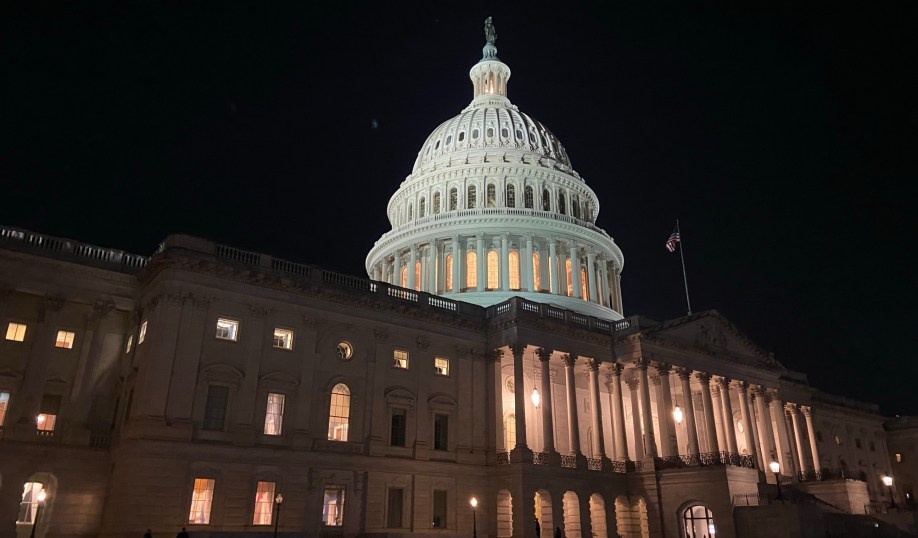
When the Call is Coming from Inside the House: The Role of the Creative During These Times

To say that it’s been an interesting few weeks here in the United States would feel like the understatement of the century at this point.

From attacks on the trans community, to the predictable crackdown on DEI, and giving the richest man in the world carte blanche over the federal government, it’s anything but business as usual in Washington these days. Reading the news these days feels like getting punched out by a prime Mike Tyson and wondering when the hell the bell is going to ring to give you a pause to catch your breath.

For the creative community these are interesting times nonetheless. Art alone won’t save us, but it can help give us meaning during these chaotic times. Whether it be paintings, drawings, television, film, or literature, all have meaning and purpose and must be protected. I emphasize protected, because the arts are being threatened by the anti-DEI dragnet currently taking hold within the current administration.
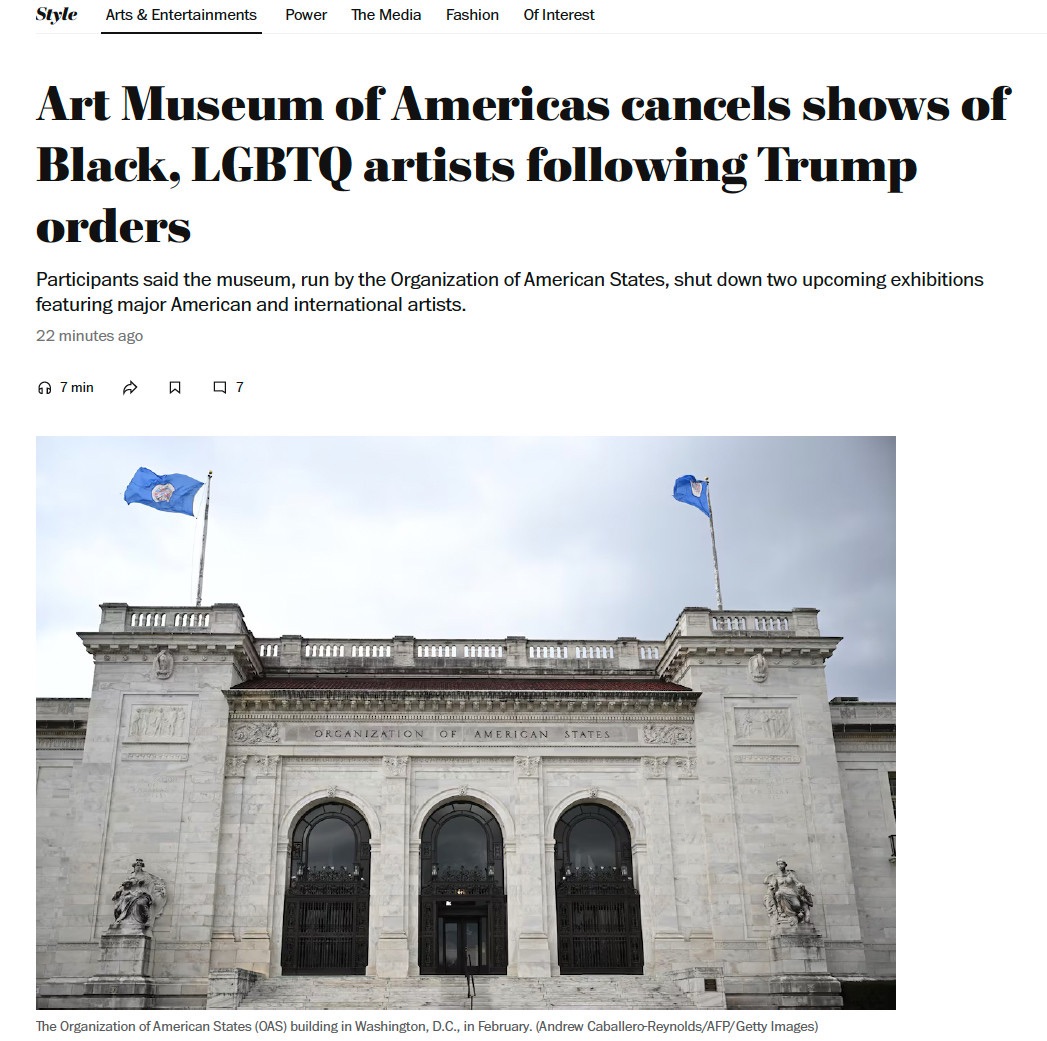
However, despite these attacks, artists and creatives don’t have to take this lying down. As a matter of fact, some of the best work comes during troubled times. Case-in-point during the 1960s, probably the roughest decade for America (until ironically, the 2020s) some of the best music this country has ever produced came out during that era of Civil Rights, war, and societal upheaval.

I have no idea what these next 4 years will hold, but I know that as creatives, we must continue to speak truth to power, regardless of who occupies 1600 Pennsylvania Avenue. For our country and future selves depend on it.
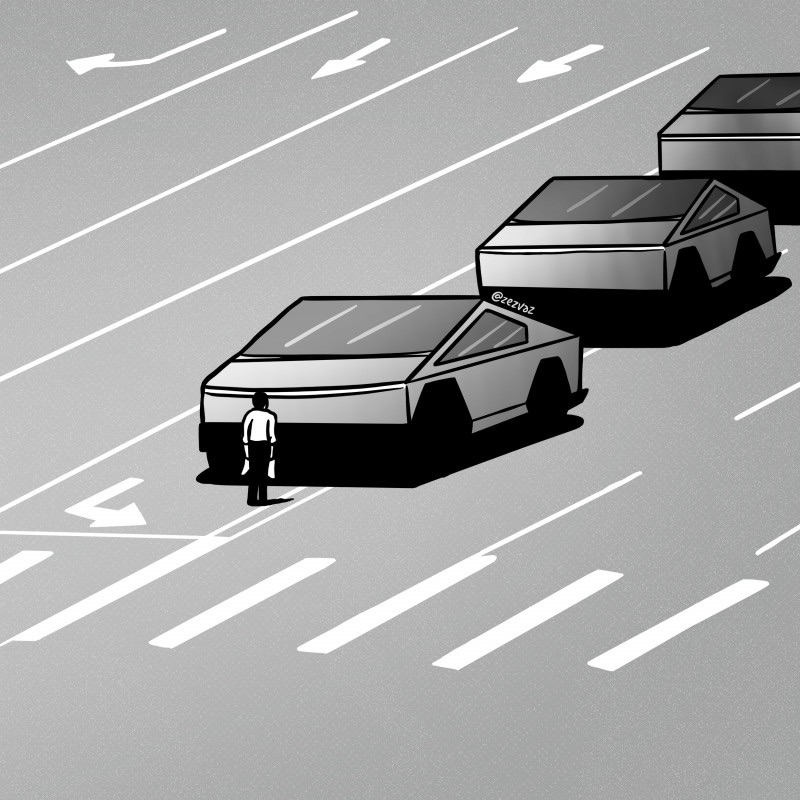
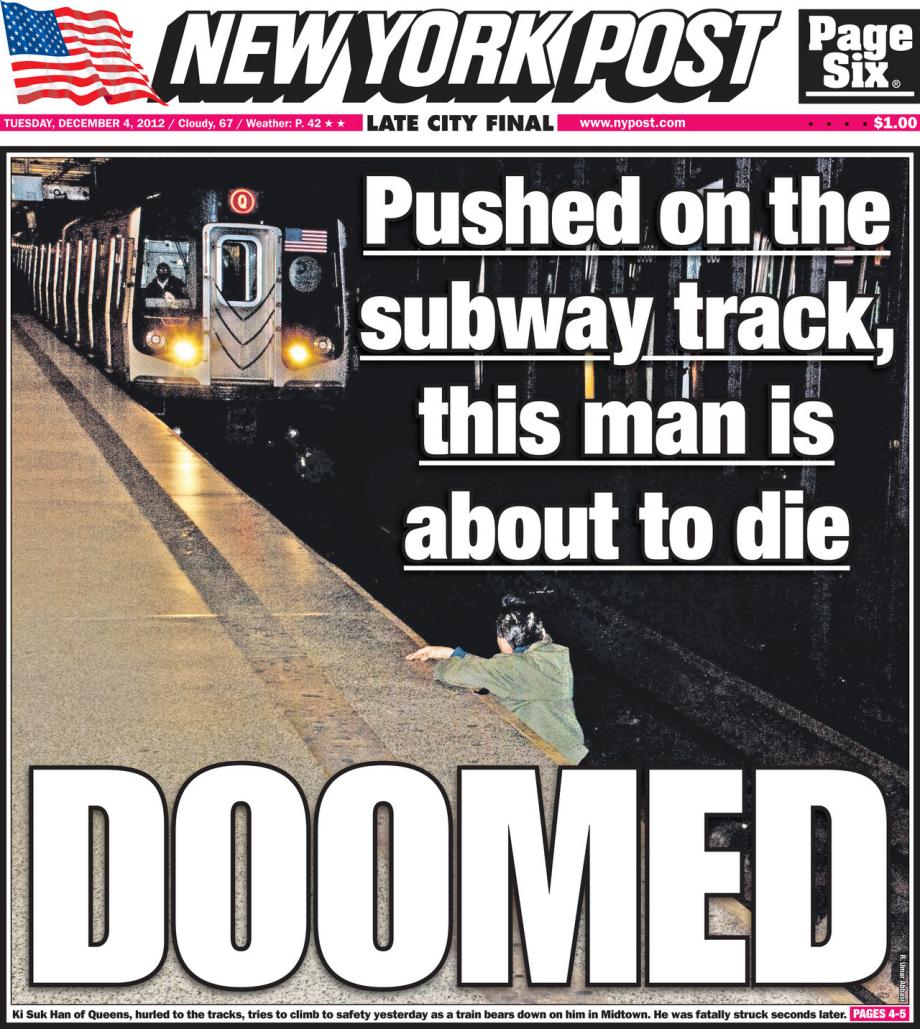
Photo by Zez Vaz

When Violence Goes Viral: The Social Repercussions of Standing By

Earlier this month, a man was pushed down a subway tunnel and could not be saved. But his snapshot was.

That event sparked not only every New Yorker’s most subconscious fear -standing too close to the edge of a platform and being pushed over- but also outrage for the lack of action taken to save a man fighting to get out of the path of an oncoming train. The most glaring outrage was directed at photographer R. Umar Abbasi, for taking a photo of the man just before he was struck by the train. The NY Post would publish the haunting photo the next day.

This isn’t the first instance of video or photos showing a person in danger.

In October, a video went viral of a Cleveland bus driver getting into an argument with a female passenger. The argument escalates and then the uppercut from hell is unleashed.

By videotaping this incident, it went from an outrageous event on a Cleveland bus, to leading newscasts, to trending on Twitter and in the process became one of 2012’s top web sensations. Police were called and the bus driver subsequently lost his job. Violence being filmed and recorded for the pleasure and delight of others is not just limited to Cleveland however.

In January 2011, Allen Haywood was waiting for his train at a metro station in Washington, D.C. As the video shows, two kids come from out of nowhere and begin pummeling the man. Haywood is understandably stunned as to why he is being attacked. He even screams at the girl who is attacking him: “I have done nothing to you!”

Even sadder is the fact there appears to be a group of kids in the background just laughing while filming the incident on their cell phones. Haywood says none of the kids came to his assistance, nobody called for help and that other people on the platform did nothing. A few days later, Haywood returned to that same metro station and held up a sign saying, “I WAS ATTACKED AT L’ENFANT METRO SUNDAY AT 7:15 PM. NO ONE HELPED. PLEASE BE CAREFUL.”

All of these cases leave one wondering when did we become a society more concerned about capturing the next punch or assault on video, as opposed to actually putting down the cell phone and doing something about it? What moral and ethical questions are there as bystanders in these situations? It is one thing to not want to get involved in an altercation for fear you yourself might get injured. It is entirely different however, to do nothing at all. Things to think about…