My 2012 Movie of the Year and Moving Ahead to 2013

As I look back at 2012 I see a year of progress and a year to build on.

2012 was the year that internet sensation and Youtube star, Issa Rae (who created, produced and directed the hit series Awkward Black Girl) teamed up with Shonda Rhimes to collaborate for an upcoming comedy series for ABC. This development was huge for Rae of course, but it also marked the first time a webisode focusing on a character of color paved the way for a transition to the small screen. The web is increasingly becoming a backdoor way to breaking into traditional forms of media, like film and television.

2012 was the year that Matthew Cherry directed his first feature film, “The Last Fall” and saw it receive critical acclaim along with a number of accolades.

2012 was also the year that Ava DuVernay’s distribution company, AFFRM, released “Restless City” and my film of the year, “Middle of Nowhere.” “Middle of Nowhere,” revolves around the relationships of the main character, Ruby (Emayatzy Corinealdi), with her imprisoned husband, family, and busdriver turned lover (David Oyelowo). The cinematography is beautiful and the scenes poignant. The film does a good job letting the audience follow along as Ruby deals with varying degrees of hurt, mistrust, love, acceptance and discovery.

Finally, 2012 marked the first full calendar year of FilmSwag’s existence. I definitely appreciate all of you who have checked out this blog and recommended it to your friends. So far FilmSwag has been viewed by people in more than 40 countries on 6 different continents (one day I’ll get someone in Antarctica). I definitely have more topics and things I’ll be covering in 2013. Also, if you guys have anything you’d like to see me cover reach out to me at: warin@filmswag.org. I’ll be posting more photos, videos, and also looking to incorporate screenings and events for those of you in the NYC area. Peace, Love, and Happy New Year Everyone.
When Violence Goes Viral: The Social Repercussions of Standing By

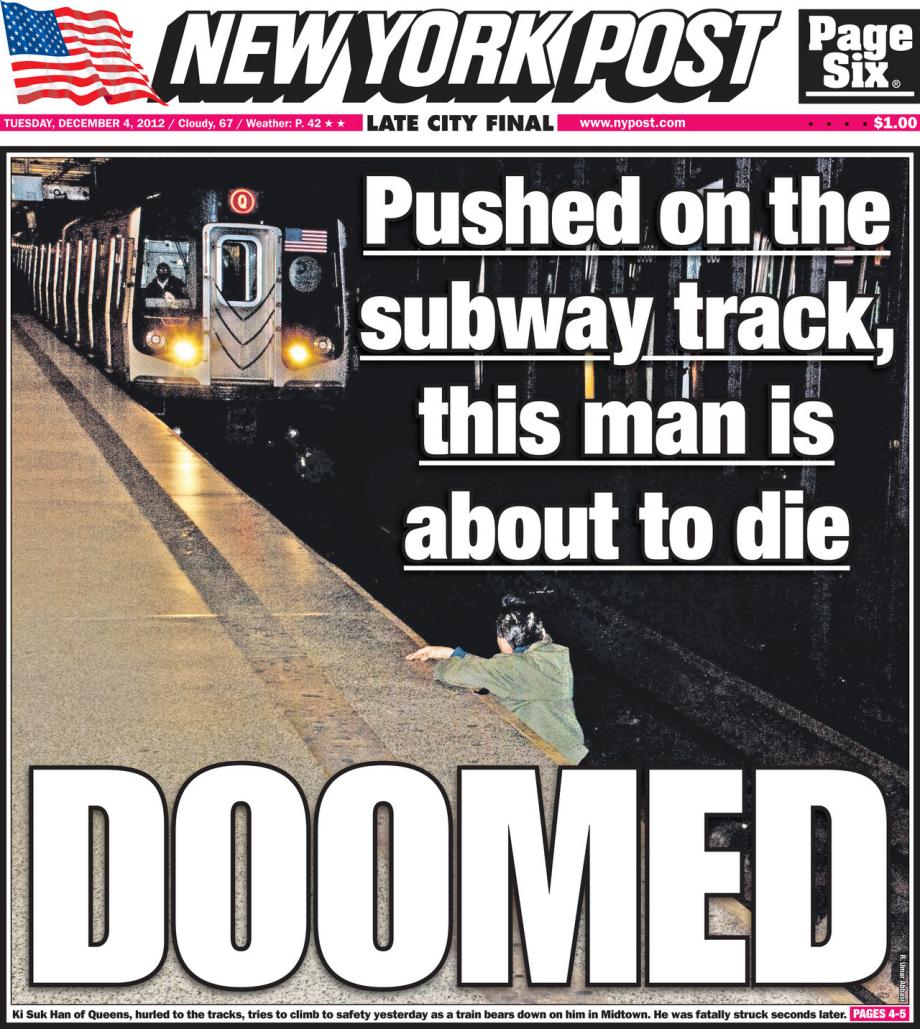
Earlier this month, a man was pushed down a subway tunnel and could not be saved. But his snapshot was.

That event sparked not only every New Yorker’s most subconscious fear -standing too close to the edge of a platform and being pushed over- but also outrage for the lack of action taken to save a man fighting to get out of the path of an oncoming train. The most glaring outrage was directed at photographer R. Umar Abbasi, for taking a photo of the man just before he was struck by the train. The NY Post would publish the haunting photo the next day.

This isn’t the first instance of video or photos showing a person in danger.

In October, a video went viral of a Cleveland bus driver getting into an argument with a female passenger. The argument escalates and then the uppercut from hell is unleashed.

By videotaping this incident, it went from an outrageous event on a Cleveland bus, to leading newscasts, to trending on Twitter and in the process became one of 2012’s top web sensations. Police were called and the bus driver subsequently lost his job. Violence being filmed and recorded for the pleasure and delight of others is not just limited to Cleveland however.

In January 2011, Allen Haywood was waiting for his train at a metro station in Washington, D.C. As the video shows, two kids come from out of nowhere and begin pummeling the man. Haywood is understandably stunned as to why he is being attacked. He even screams at the girl who is attacking him: “I have done nothing to you!”

Even sadder is the fact there appears to be a group of kids in the background just laughing while filming the incident on their cell phones. Haywood says none of the kids came to his assistance, nobody called for help and that other people on the platform did nothing. A few days later, Haywood returned to that same metro station and held up a sign saying, “I WAS ATTACKED AT L’ENFANT METRO SUNDAY AT 7:15 PM. NO ONE HELPED. PLEASE BE CAREFUL.”

All of these cases leave one wondering when did we become a society more concerned about capturing the next punch or assault on video, as opposed to actually putting down the cell phone and doing something about it? What moral and ethical questions are there as bystanders in these situations? It is one thing to not want to get involved in an altercation for fear you yourself might get injured. It is entirely different however, to do nothing at all. Things to think about…

The Use of Media in the Recognition of World AIDS Day

Yesterday, December 1st, was World AIDS Day. Since 1988 World AIDS Day has been recognized as a day to not only remember those who have passed from the disease, but also to acknowledge the more than 30 million people worldwide still fighting with it every day.

The awareness of AIDS by individual people, communities, cities, nations and the global community, has come a long way since AIDS was first diagnosed in 1981. Looking back on media and newspaper articles from the late 80s and early 90s shows just how far we’ve come as a society in accepting people with the disease. That’s not to suggest that everyone thinks like this or that there is no longer a stigma associated with AIDS, but it is no longer as publicly denounced as it once was.

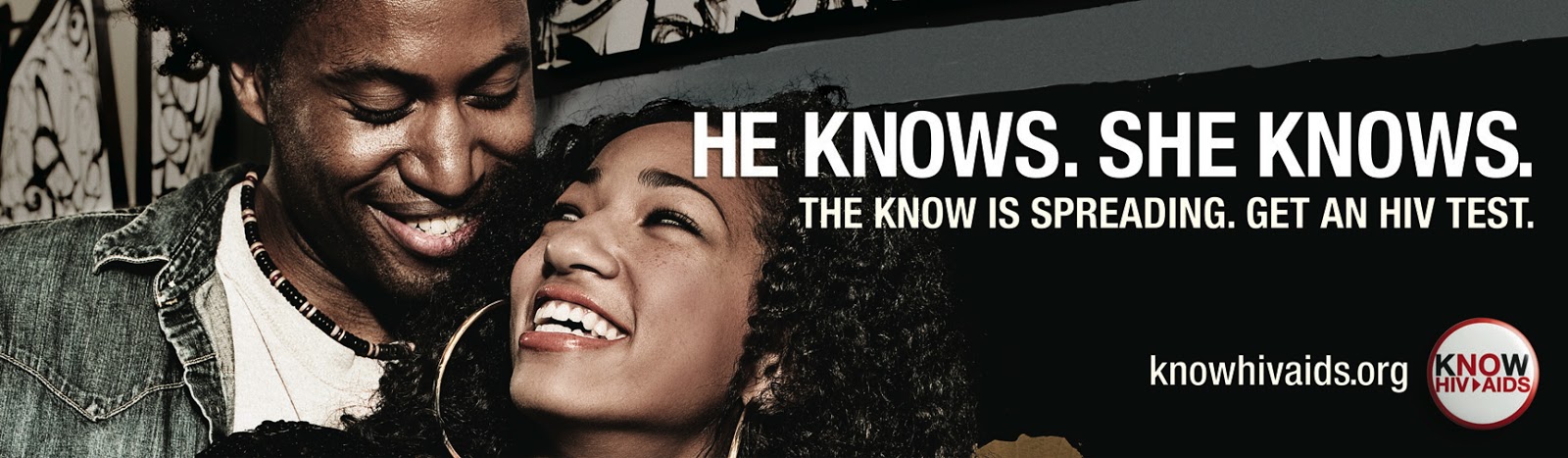
Speaking of the public, it seems more and more organizations and entities are getting involved with recognizing World AIDS day every year. The red ribbons have seemingly become ubiquitous. Starbucks, Apple and even the National Basketball Association, have taken part in recent years in bringing awareness to the day. So too has the film and television industry with commercials and ads promoting the importance of getting tested.

In 1993 two Hollywood films were among the first of their kind to not only delve into this still relatively unknown disease at the time, but also explore the evolving social impacts it was having as well.

“And the Band Played On,” was a made for TV movie that dealt with the early years of AIDS and how doctors and scientists struggled initially to figure out where this disease that was suddenly killing people out of nowhere was coming from. The movie also depicted the battle of who would ultimately claim credit for “discovering” the disease.

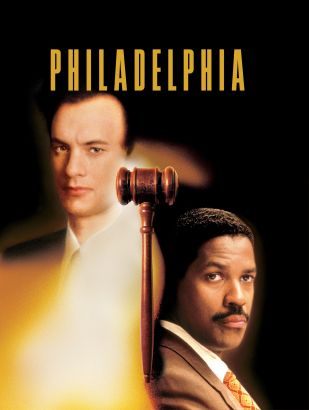
Another movie that year was “Philadelphia,” starring two of perhaps the greatest actors of their generation: Tom Hanks and Denzel Washington.

Hanks portrays Andrew Beckett, a gay man who was working in a law firm and was on the rise until he contracted AIDS. Beckett was assigned the firm’s most important case, but was removed and subsequently fired once the lesions associated with AIDS began to appear on his face. Beckett hires Joe Miller (Washington) a man who is battling with his own discriminatory attitudes towards homosexuality, but agrees to take on the case anyway. One of the most memorable scenes in “Philadelphia” involves Beckett removing his shirt to show the lesions that led to his firing.

Scenes such as these are not only touching, but moving. It also helps humanize Hanks’ character beyond just a man who lost his job due to AIDS, to a man who must now cope with having to deal with the cold shoulder of people he once considered his friends and co-workers.

Recognition and awareness about HIV/AIDS is only the first step. We have to continue to make sure that the millions who are still suffering from this disease are not forgotten about and are able to get the necessary help and attention that they need. That’s why I applaud AIDS activist Hydeia Broadbent for the work that she continues to do in bringing awareness to AIDS and making sure that it remains a part of the national conversation. Stay safe everybody.