What Happens When the Cameras and Attention Goes Away

“I knew something was wrong when I saw a pretty little white girl jump into a black man’s arms.”

“Ain’t nobody got time for that.”

“Hide your wife, hide your kids, hide your husbands, cause they raping everybody out here.”

In the last couple of years these phrases have spread across the vast corners of the internet and into Hall-of-Fame of memes. They’re the words Charles Ramsey, Sweet Brown and Antoine Dodson.

Photo by Lucian Perkins of the Washington Post

It’s worth noting that these weren’t just random people who happened to be standing around when they interviewed by an unsuspecting news team. They were all heroes to some degree. It can be easy to forget that once the auto-tune videos and memes began rolling out like rabid mice out of a cage.

Antoine Dodson had rescued his sister from an intruder. Sweet Brown rescued herself from a fire. And in the case of Charles Ramsey, he solved a mystery that had stumped the Cleveland police for more than a decade when he rescued three women who had been held captive in his neighbor’s home.

With each of these cases, all three heroes may not have been the most eloquent on camera, but come to think of it, should it have mattered? I’m not sure how I would feel if I made one slip-up in front of a camera and then people are selling my t-shirts with my face on it. While Dodson, Ramsey and Brown did gain quite a bit of notoriety for their 15 minutes of fame, I’m curious if their lives are substantially different a few years from now — long after the fame, attention and appearance fees are gone.
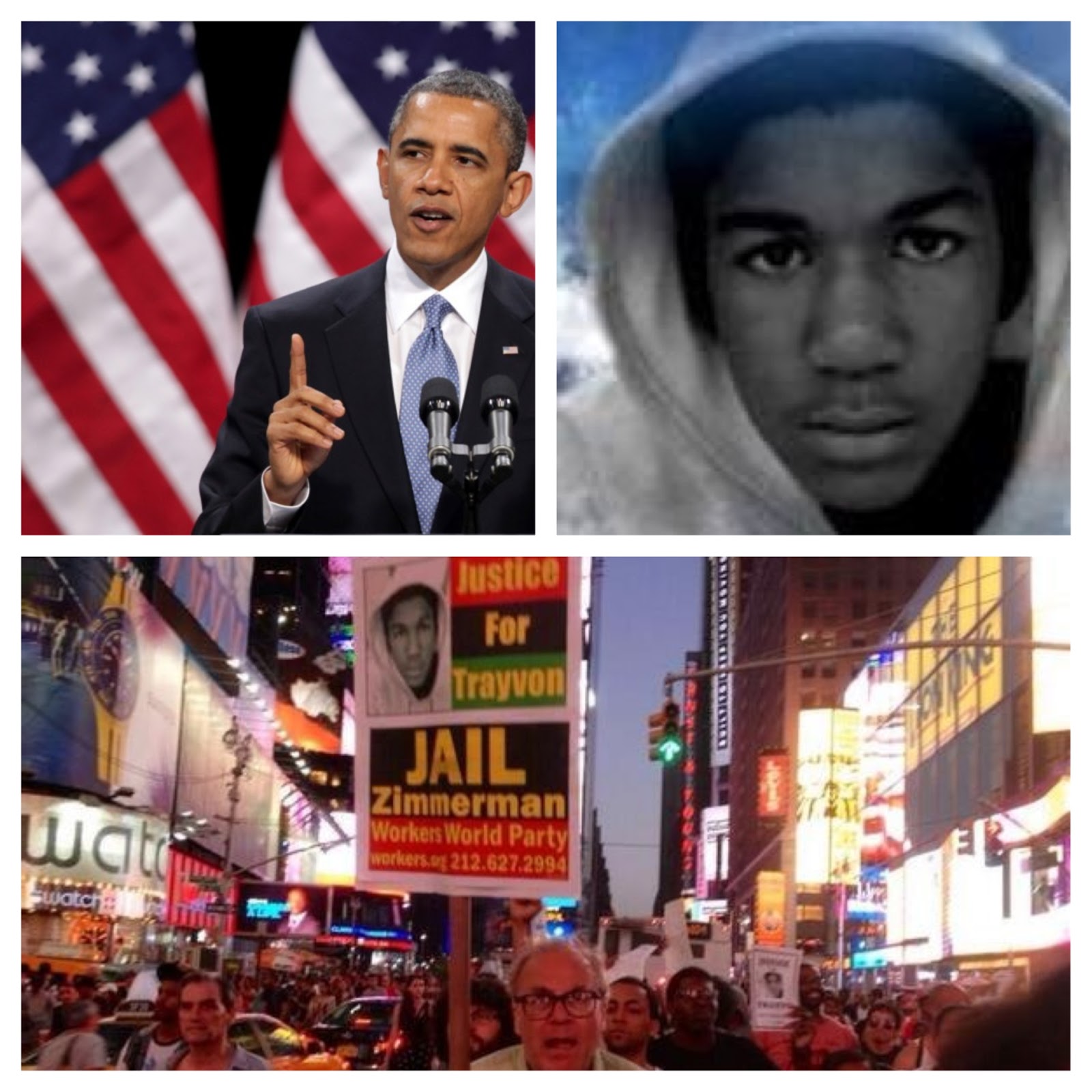
President Obama Speaks on Race and Trayvon Martin

Last Saturday a Florida jury determined that George Zimmerman was not guilty in the death of Trayvon Martin. For those of you reading this who may not be aware, in February of 2012, Trayvon Martin was walking home from the store when he was approached by Mr. Zimmerman. A fight ensues and Trayvon is left dead. It turns out George Zimmerman had been following Trayvon in his vehicle, and when he asked a 911 operator whether or not he should go after Trayvon, he was told, “we don’t need you to do that.” Despite this, he ignored the operator and pursued him anyway. So what exactly was that suspicious looking man in the neighborhood armed with that Zimmerman decided to pursue? A pack of Skittles and an Arizona Ice Tea. I gave my thoughts about this case last year.

In the following days across the United States there were protests in cities from New York to L.A. In New York’s Time Square, protesters halted traffic dead in its tracks with the streets swelling with thousands of hurt, angry and disappointed people. It wasn’t just the fact that George Zimmerman was found not guilty, but that he wasn’t even initially arrested until people started protesting. Many talking heads on the news networks stated their opinions on the verdict, but it seemed everyone (well, many black folks at least) was waiting on the thoughts of one man in particular.

On Friday President Obama gave his thoughts and the nation listened.

Speaking from the deeply personal perspective as a black man in America, Obama spoke of black men being followed in stores, women clutching their purses while in the presence of black men and car doors locking as black men walked by. How does he know these things? Because they’ve all happened to him. Perhaps his most powerful statement was identifying that Trayvon Martin could have been him 35 years ago. To hear a sitting American President speak to the nation in those terms is unlike anything we’ve see before in our nation’s history. I encourage everyone to watch the speech at least once, but more importantly, listen.

http://www.washingtonpost.com/wp-srv/video/videoEmbed.html?uuid=1bd5fa26-f09b-11e2-9008-61e94a7ea20d&noheadline=0

Fannie Lou Hamer Speaks Out on Voting Rights and Police Brutality

Fannie Lou Hamer is often one of the forgotten names of the Civil Rights Movement.

Mrs. Hamer was from the small community of Ruleville, Mississippi, where she spent most of her early life working as a sharecropper. It was at the the age of 37 that she joined SNCC (the Student Non-violent Coordinating Committee). Seeing that the only way people of color were ever going to have a voice was through politics, she became an organizer and lead voter registration drives for the people of her community. For this, Fannie Lou Hamer caught hell. Her life was threatened, she was the target of multiple murder attempts, and she suffered brutal beatings at the hands of the local Mississippi police. In the following 7 minute audio clip recorded on June 9th, 1963, Mrs. Hamer speaks of the struggle for the right to vote and the horrific consequences that followed.

This clip is courtesy of the Black Media Archive Podcast
If you cannot see the audio controls, your browser does not support the audio element

The Best Man is Back

“The Best Man” is definitely one of my favorite movies of the 1990s. It revolves around a group of college friends who get together one weekend to celebrate one of their own getting married. What ensues are some long held college secrets, drama, laughs and romance. A film that I definitely recommend viewing.

Photo by Jet Magazine

Coming to theaters this November is the followup to “The Best Man,” entitled “The Best Man Holiday.” So far, I’m really digging this trailer. Check it out below.

University of Kentucky Investing in Oral History

We all have a story. Storytelling has been an essential element throughout human history and has allowed us to entertain, educate, inspire and enlighten.

Last week it was announced that the University of Kentucky is investing in its oral history program as a way to make sure that stories, interviews and experiences of the past, continue to have a voice for years to come. The project is part of the Louie B. Nunn Center for Oral History at UK.

So far there have been more than 9,000 interviews logged, with features ranging from black farmers, to WWII veterans, to Kentucky legislators.

This reminds me of the StoryCorps program, which according to its website, has been around since 2003 and logged more than 45,000 interviews with more than 90,000 participants. That’s a lot of stories.

Programs like StoryCorps and the oral history project at UK are important because it gives later generations a sense of perspective and context beyond that found within a textbook. I think back to the Great Depression and how Franklin Delano Roosevelt — desperate to get Americans back to work — formed the Works Progress Administration as part of his New Deal. A subset of the WPA was the Federal Writers’ Project which employed artists, musicians and poets, to use their talents to interview people and tell stories. Out of that, came the Slave Narratives.

The Slave Narratives were a series of interviews conducted with former slaves during the mid 1930s (who, by that time, were well into their 70s and 80s) that spoke about their lives and experiences growing up in slavery. These interviews proved invaluable. It’s one thing to hear about slavery from a historical/economic context; it’s truly another to hear the harsh realities of the institution from someone who’s lived it.

That’s where the real value of programs like StoryCorps and the University of Kentucky’s oral history project can be seen. Hearing people in their own words, tell their own stories, is a powerful supplement to history.

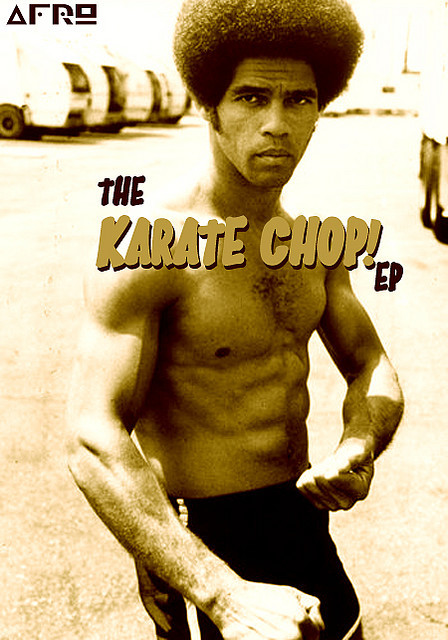
Remembering Jim Kelly

I’ll be real honest. I didn’t know much about Jim Kelly until very recently, but his work will continue to leave an impact long after his passing.

Mr. Kelly passed away this weekend at the age of 67. He was a well trained martial artist who perhaps is best known for starring alongside Bruce Lee in the 1973 film, “Enter the Dragon.” Kelly would appear in other martial arts themed films including “Black Belt Jones” and “Three The Hard Way,” starring Fred Williamson and Jim Brown. Below are some videos featuring Jim Kelly. The first is the trailer for the movie “Enter the Dragon,” and the second features Jim Kelly speaking on the success and struggles that he and Bruce Lee had to deal with as people of color in Hollywood.

Sinbad Reflects on His Parents

My mother and father taught me everything: integrity, honesty, being responsible. My father said you can’t be anything unless you accept responsibility for all your failures. My mother wanted me to have a tough hide but a tender heart.

                                                          – Sinbad, Parade, September 1994